Oil Filling Solutions for Different Applications
Oil filling machines are used across different industries to package products with varying flow characteristics and container requirements. Edible oils and industrial lubricants are two important applications within the oil packaging segment.
The filling equipment should be selected according to the specific product and its packaging requirements rather than assuming that one machine configuration is suitable for every application.
Edible Oil Filling Machines
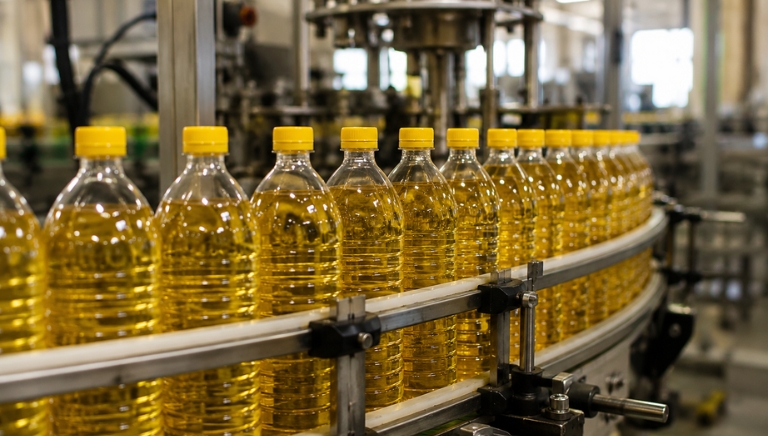
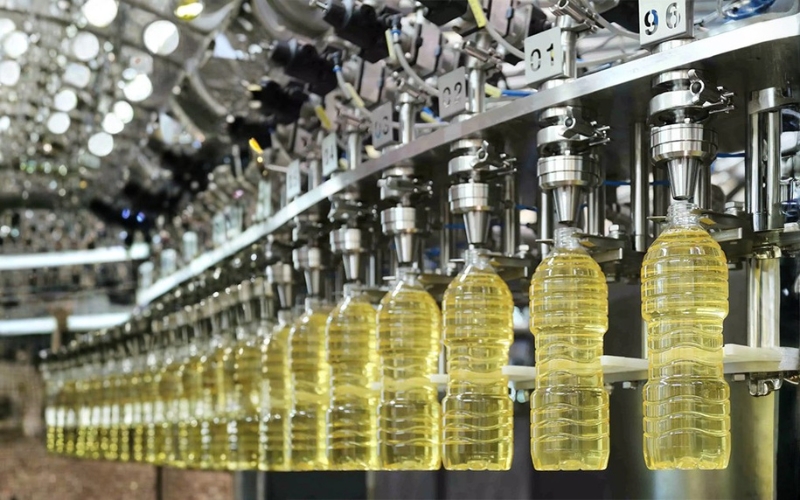
Edible oil packaging requires filling equipment suitable for products such as sunflower oil, mustard oil, groundnut oil, soybean oil, coconut oil, palm oil and other cooking oils.
Manufacturers may use different bottle sizes and packaging formats depending on their target market and distribution requirements.
When selecting an edible oil filling system, important considerations include:
- The type and flow characteristics of the edible oil.
- Required filling quantities and container capacities.
- Compatibility with plastic bottles, glass bottles, jars or tins.
- Suitable filling technology for the application.
- Production output and packaging line requirements.
Spheretech provides filling solutions for edible oil packaging applications. Explore our
Edible Oil Filling Machine
page to learn more about the equipment and its applications.
Lubricant Oil Filling Machines
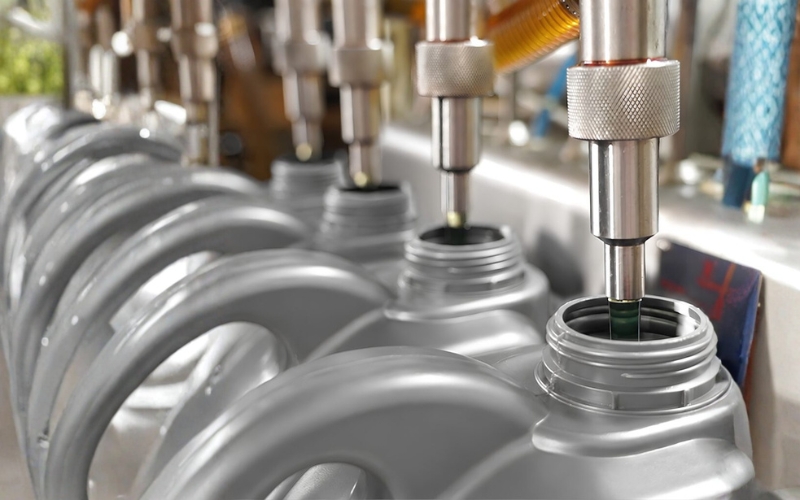
Lubricant oil packaging involves products such as engine oil, gear oil, hydraulic oil and other industrial lubricants. These products may have different viscosity grades and flow characteristics, which should be considered when selecting filling equipment.
Manufacturers should evaluate the lubricant formulation, required filling quantity and container format before deciding on a suitable machine configuration.
Important considerations include:
- Viscosity and flow characteristics of the lubricant.
- Required filling quantities.
- Compatibility with the selected containers.
- Suitable filling technology and operating settings.
- Integration with associated packaging equipment.
For more information about equipment designed for lubricant packaging applications, visit our
Lubricant Oil Filling Machine
page.
Filling Technologies Used in Oil Packaging
The filling technology determines how the quantity of oil is measured and dispensed into containers. Choosing a suitable method depends on the product characteristics, required filling quantity and production requirements.
Spheretech's oil filling machinery range includes flow meter-based and weight-based filling technologies.
Flow Meter-Based Oil Filling Machines
Flow meter-based filling systems measure the quantity of liquid passing through the filling system. The measured flow is used to control dispensing according to the required filling setting.
When evaluating this technology for oil packaging, manufacturers should consider:
- Compatibility with the oil's viscosity and flow characteristics.
- Required filling quantities.
- Measurement and calibration arrangements.
- Performance under actual production conditions.
- Suitability for the intended container format.
The filling system should be evaluated using the actual product to establish its suitability for the application.
Weight-Based Oil Filling Machines
Weight-based filling systems determine the quantity of product dispensed using weight measurement.
This technology may be considered for applications where filling by weight is appropriate for the product and packaging requirements.
Manufacturers should evaluate the weighing arrangement, required filling range, calibration procedure and container positioning before selecting the equipment.
The choice between flow meter-based and weight-based filling depends on the specific oil application and production requirements.
Oil Packaging for Different Container Types
Container selection is an important part of planning an oil packaging operation. Manufacturers may use different packaging formats depending on the product, target market, required capacity and distribution requirements.
The filling machine should be evaluated according to the dimensions, opening and handling requirements of the selected containers.
Plastic Bottles
Plastic bottles are commonly used for edible oil and lubricant packaging. They are available in different shapes and capacities to accommodate various packaging requirements.
When selecting a filling machine for plastic bottles, manufacturers should consider the bottle dimensions, opening size, filling quantity and container positioning.
Glass Bottles
Glass bottles may be used for selected edible oil packaging applications. Their weight, dimensions, opening design and handling requirements should be considered when evaluating the filling arrangement.
Jars and Containers
Jars and other containers may be used for specific oil packaging applications. The filling system should be compatible with their openings and dimensions to support the intended filling process.
Metal Tins
Metal tins are used in certain edible oil and lubricant packaging applications. Their design, opening and filling requirements should be considered when selecting the associated packaging equipment.
Spheretech also offers an automatic tin collar placer machine designed to automatically place collars on tins, helping streamline this stage of the packaging process.
How to Choose the Right Oil Filling Machine
Selecting an oil filling machine requires an understanding of the product, packaging format and production requirements. Manufacturers should evaluate their current operations as well as their future production plans before choosing equipment.
The following factors can help guide the selection process.
1. Identify the Oil Products
Start by identifying the types of oil to be packaged. Edible oils and industrial lubricants have different product characteristics, so the filling system should be suitable for the intended application.
2. Determine the Required Filling Quantity
Establish the filling quantities required for each container size. This helps in evaluating the appropriate filling technology and machine configuration.
3. Evaluate Container Requirements
Prepare details of the containers to be used, including their material, dimensions, opening and capacity. If multiple formats are required, discuss the changeover arrangements with the equipment supplier.
4. Assess Production Requirements
Estimate the number of containers required during each production shift. Consider filling quantities, product changeovers and the operation of associated packaging equipment.
5. Understand Calibration and Maintenance
Ask the supplier about filling verification, calibration procedures, cleaning requirements and routine maintenance.
6. Consider Future Production Needs
If production is expected to increase or new oil products may be introduced, discuss these requirements during equipment selection. This helps determine whether the proposed configuration is suitable for the manufacturer's production plans.
Integrating Oil Filling with Other Packaging Equipment
Oil packaging may involve several operations beyond filling. Depending on the production setup, manufacturers may require equipment for container handling, capping, sealing, labelling and other packaging stages.
A typical packaging workflow may include:
- Container Handling: Empty containers are positioned and transferred towards the filling station.
- Filling: The required quantity of oil is dispensed into each container.
- Capping: Filled containers are transferred for closure application.
- Sealing: An additional sealing process may be included according to the packaging requirements.
- Labelling: Product details and branding are applied.
- Final Packaging: Finished containers are prepared for handling, storage and distribution.
The equipment arrangement should be planned according to the container format, production output, available factory space and compatibility between machines.
Manufacturers planning a complete packaging setup can explore Spheretech's
Complete Packaging Line Integration
solutions.
Automatic Tin Collar Placer Machine for Oil Packaging
Metal tins used for oil packaging may require additional handling operations depending on their design and packaging arrangement.
Spheretech offers an automatic tin collar placer machine designed to automatically place collars on tins. This helps streamline the collar placement stage and can reduce the need for manual collar placement.
When evaluating a tin collar placer machine, manufacturers should consider:
- The dimensions and design of the tins.
- Compatibility with the intended collar format.
- Integration with the existing packaging workflow.
- Required production output.
- Available installation space and handling requirements.
The machine should be evaluated according to the specific tin packaging application.
Why Choose Spheretech as Your Oil Filling Machine Manufacturer?
Selecting an oil filling machine manufacturer involves more than comparing equipment specifications. Manufacturers should understand the supplier's machinery range, technical capabilities and ability to address their packaging requirements.
Spheretech Packaging India Pvt. Ltd. brings over two decades of experience in the packaging machinery industry. Its oil filling machinery range includes flow meter-based and weight-based filling technologies, automatic edible oil filling machines and automatic lubricant oil filling machines.
Spheretech also offers an automatic tin collar placer machine for specific tin packaging applications.
When discussing an oil packaging project with Spheretech, manufacturers can evaluate their requirements relating to:
- The type of oil being packaged.
- Required filling quantities.
- Container material and dimensions.
- Suitable filling technology.
- Production output.
- Associated packaging equipment.
The objective is to identify an equipment configuration based on the actual product and production requirements.