How Does a Press On Capping Machine Work?
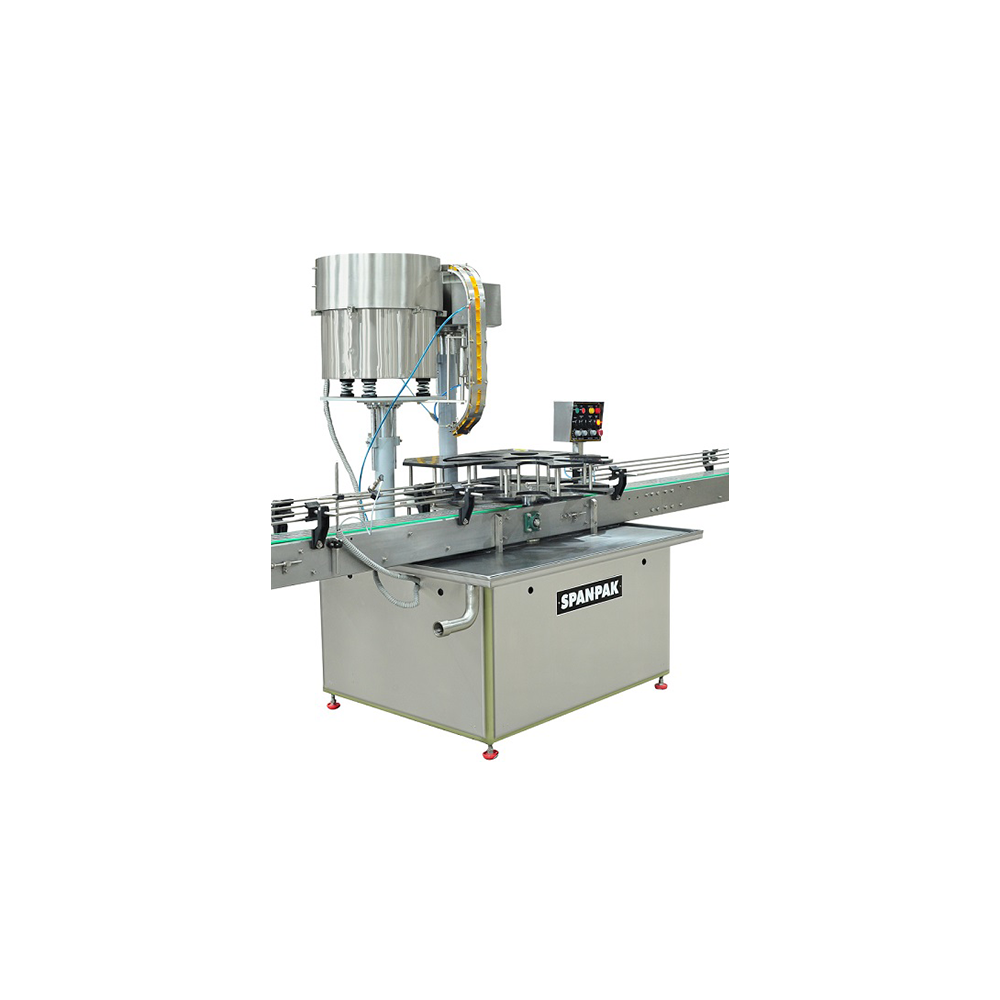
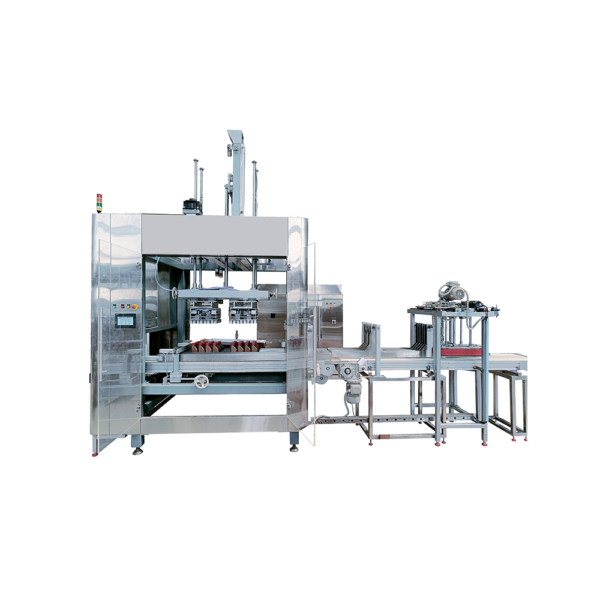
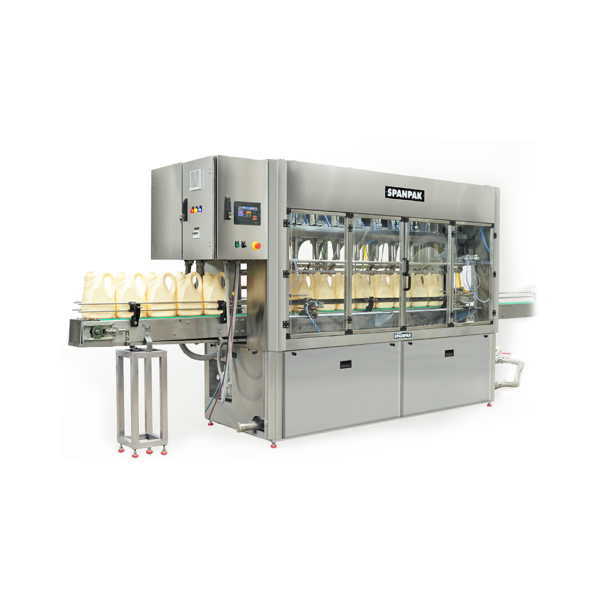
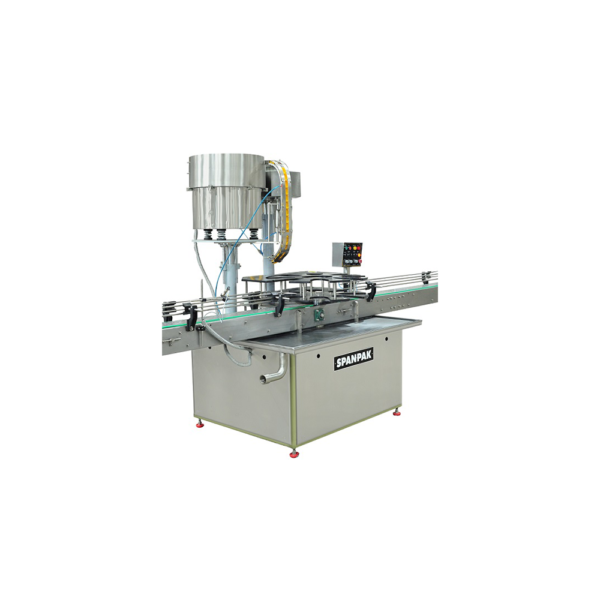
The machine uses an intermittent-motion packaging system to move bottles through the capping station.
Bottle Conveying
Filled bottles are transported by the conveyor toward the capping section.
Cap Feeding
The automatic cap feeding system supplies caps to the capping process.
Cap Orientation
Caps are oriented correctly before being presented for application.
Bottle Positioning
The bottles are positioned beneath the press capping heads using the rotating turret star wheel.
Press Capping
The press capping heads apply controlled force to push the cap onto the container.
Outfeed
After successful capping, the bottles exit the machine and continue to the next packaging stage.
Blockage Detection
A backup sensor detects an outfeed blockage and stops the capping process until the issue is resolved.
Press-On Capping Machine for Bottle Packaging
A Press-On Capping Machine is suitable for bottle packaging applications that use compatible press-fit or snap-on closures.
The machine provides automated cap application while maintaining controlled pressure during the closure operation.
It can form part of a larger bottle packaging line involving:
FILLING → PRESS-ON CAPPING → SEALING → LABELLING → CODING → END-OF-LINE PACKAGING
Handheld Pneumatic Capping Machine
A Handheld Pneumatic Capping Machine is a different equipment configuration from the automatic press-on capping system described here.
Spheretech's product information specifically describes an automatic press-feed or snap-on capping machine. Therefore, this machine should not be represented as handheld pneumatic equipment.
Automatic Press-On vs Handheld Pneumatic Capping
Automatic press-on capping systems are designed for integrated production-line operation, while handheld pneumatic capping equipment is generally associated with operator-assisted capping applications.
The appropriate configuration depends on production volume, container format, closure type and required automation level.
Automatic Cap Feeding and Orientation
The Press On Capping Machine incorporates automatic cap feeding and orientation systems.
These systems help supply caps to the capping station and ensure that they are presented in the appropriate orientation before the press capping operation.
Automated cap handling reduces manual intervention and supports a consistent capping workflow.
Press Capping with Controlled Force
Controlled force is an important part of press-on closure. Spheretech's machine applies controlled force to press compatible caps onto containers with uniform pressure.
This helps maintain consistent cap placement throughout the capping process.
The actual force and setup should be configured according to the cap, container and application requirements.
Intermittent Motion Capping System
The machine operates using an intermittent-motion system.
Bottles are transported by conveyor and positioned through a rotating turret star wheel beneath the press capping heads. The intermittent movement allows the bottles to be positioned for the capping operation before continuing through the packaging process.
Rotating Turret Star Wheel
The rotating turret star wheel forms an important part of the bottle-positioning mechanism.
It positions the bottles beneath the press capping heads before the caps are applied.
This coordinated movement allows bottle handling and press capping to operate as part of the same automated process.
Press On Capping Machine for Industrial Packaging
The machine is designed for industrial packaging applications where compatible press-fit or snap-on closures are required.
Applications identified for this machine include:
- Oils
- Pharmaceuticals
- Food & Beverage
- Cosmetics
- Chemicals
Press On Capping Machine for Oils
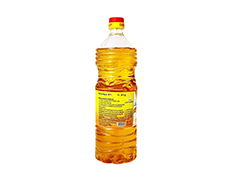
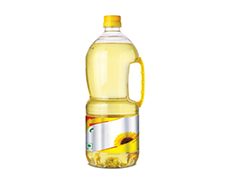
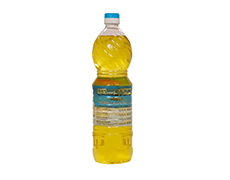
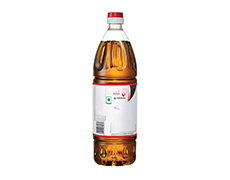
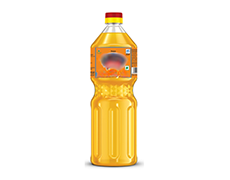
Press-on capping can be used for suitable oil packaging applications where containers use compatible snap-on or press-fit closures.
The capping machine can be integrated after the filling stage to automate the closure process.
Press On Capping Machine for Pharmaceuticals
The machine is also identified for pharmaceutical applications.
For pharmaceutical packaging, the appropriate container and closure configuration should be selected according to the product and packaging requirements.
Press On Capping Machine for Food & Beverage
Food and beverage packaging can involve different bottle and closure formats.
For compatible press-fit or snap-on closures, an automatic press-on capping system can form part of the packaging line after filling.
Press On Capping Machine for Cosmetics
Cosmetic and personal-care products can use different bottle and closure designs.
Where a compatible press-fit closure is required, automated press-on capping can provide a consistent closure process.
Press On Capping Machine for Chemicals
Suitable chemical packaging applications can also use press-fit or snap-on closures depending on the container and closure design.
The machine configuration should be selected according to the chemical product, container and closure requirements.
Press On Capping Machine Specifications
Based on the information provided for the current product, the following specifications describe the machine.
| Specification |
Details |
| Machine Type |
Press On Capping Machine |
| Capping Method |
Press Feed / Snap-On Capping |
| Capping Operation |
Controlled Force |
| Motion System |
Intermittent Motion |
| Bottle Handling |
Conveyor |
| Bottle Positioning |
Rotating Turret Star Wheel |
| Capping Heads |
Press Capping Heads |
| Cap Handling |
Automatic Feeding & Orientation |
| Monitoring |
Backup Sensor for Outfeed Blockage |
| Applications |
Oils, Pharmaceuticals, Food & Beverage, Cosmetics, Chemicals |
Technical specifications to confirm with the client:
- Production speed
- Bottle size range
- Cap size range
- Cap dimensions
- Machine dimensions
- Machine weight
- Power requirement
- Pneumatic requirements
- Number of capping heads
- Container compatibility
These technical values should be added only after confirmation. Unverified specifications should not be published.
How to Choose a Press On Capping Machine?
Selecting a Press On Capping Machine depends on the complete container and closure application.
Consider the following factors before finalizing the machine configuration:
- Cap type
- Press-fit or snap-fit design
- Bottle material
- Bottle shape
- Container dimensions
- Required production rate
- Cap feeding requirements
- Required automation
- Existing filling equipment
- Downstream packaging equipment
- Available production-line space
The cap and container should be tested for compatibility before finalizing the machine configuration.
Press On Capping Machine for Complete Packaging Automation
The capping stage can be integrated into a complete automated packaging line.
A typical process can include:
LIQUID FILLING → PRESS-ON CAPPING → INDUCTION SEALING → LABELLING → CODING & MARKING → CASE PACKING
This allows the capping process to operate together with upstream and downstream packaging equipment.
Spheretech's broader portfolio includes filling, capping, sealing, labelling and end-of-line packaging solutions, making internal linking between these product categories relevant.
Why Choose Spheretech's Press On Capping Machine?
Spheretech's Press On Capping Machine combines automated cap handling, bottle positioning and controlled press capping for compatible packaging applications.
The machine incorporates:
- Automatic cap feeding
- Automatic cap orientation
- Intermittent-motion operation
- Conveyor-based bottle movement
- Rotating turret star wheel
- Press capping heads
- Controlled capping force
- Backup sensor for outfeed blockage
This makes the machine suitable for packaging operations where consistent press-fit or snap-on closure is required.
Read Less