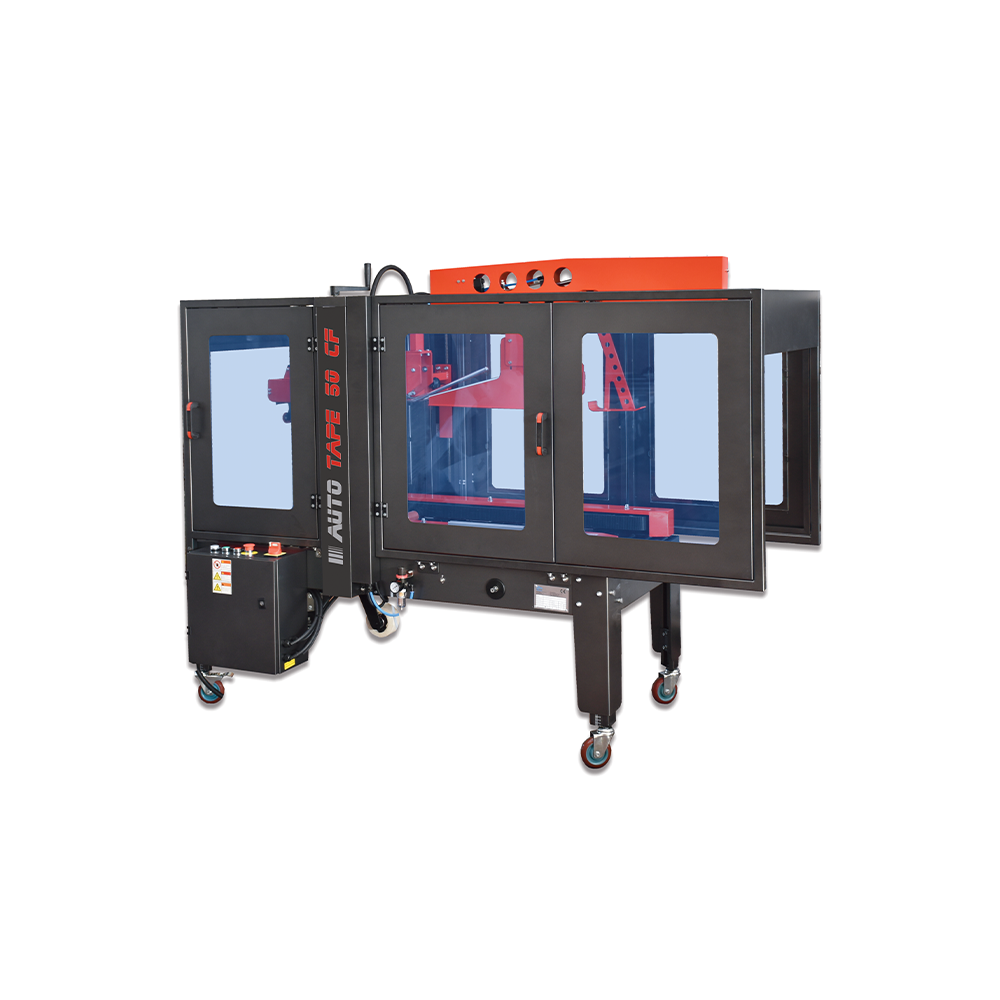
Carton coding is an important part of modern packaging operations where products need to carry identifiable production and product information.
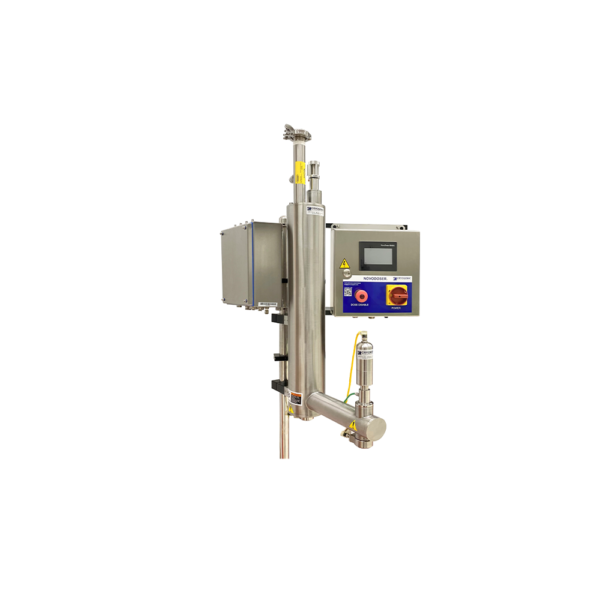
A Carton Coding Machine automates this process by applying required information to cartons or compatible packaging surfaces as products move through the production line.
Spheretech positions Carton Coding Machine among its packaging-machine offerings, making it part of the company's broader packaging automation portfolio.
Read More
What Is a Carton Coding Machine?
A Carton Coding Machine is packaging equipment used to apply variable information to cartons and other compatible packaging surfaces.
Depending on the application, this information may include:
- Batch numbers
- Lot information
- Manufacturing dates
- Expiry information
- Product codes
- Identification information
- Other variable production data
The exact coding capabilities depend on the coding technology selected for the application.
Why Is Coding Important in Packaging?
Product coding provides important information that can help manufacturers identify packaged products throughout the supply and distribution process.
For packaging operations, coding can support:
- Product identification
- Batch identification
- Production information
- Packaging traceability
- Inventory handling
- Quality-control processes
Coding therefore becomes more than simply printing text on a carton; it can form part of the overall product-identification process.
Coding Machine for Automated Packaging Lines
A Coding Machine can be positioned at an appropriate stage of the packaging line depending on what information needs to be printed and when that information becomes available.
A typical automated packaging workflow may look like:
FILLING → CAPPING → LABELLING → CODING → CASE PACKING → CASE SEALING
Alternatively, coding can be positioned at another suitable stage according to the product and packaging process.
The correct location depends on:
- Packaging format
- Coding requirement
- Product flow
- Information being printed
- Downstream packaging operations
- Inspection requirements
Packaging Coding Machine for Different Industries
Food & Beverage
Packaging coding can be used for production and product identification information on compatible cartons and packaging.
Pharmaceutical Packaging
Coding can support product identification and packaging information where the selected coding system is appropriate for the application.
Cosmetics & Personal Care
Cartons and packaging can be marked with relevant production or identification information.
Chemical Packaging
Compatible packaging can be coded as part of an automated packaging workflow.
Lubricant Packaging
Coding can help identify lubricant products and associated production information.
What Information Can a Packaging Coding Machine Print?
The information depends on the coding technology and customer requirements.
Batch or Lot Number
Used to identify a particular production batch.
Manufacturing Date
Provides production-related date information.
Expiry Date
Can be used where product shelf-life information needs to be displayed.
Product Code
Helps identify a particular product or packaging configuration.
Variable Production Information
Other changing information can be incorporated depending on the coding system.
The exact character format, print quality, print size and available coding functions should be confirmed according to the selected machine configuration.
How to Choose a Carton Coding Machine
Selecting a coding system should begin with the actual packaging requirement rather than only the machine name.
Packaging Surface
Determine the material and surface on which the code needs to be applied.
Carton Format
Consider carton dimensions, orientation and movement through the production line.
Information to Be Printed
Identify whether the requirement involves dates, batch numbers, product codes or other variable information.
Production Environment
Consider the production conditions and operating environment in which the coding system will be installed.
Line Speed
The coding system should be suitable for the required production flow.
Integration
Check how the coding machine will communicate and operate with the existing packaging equipment.
Code Verification
Where coding accuracy is critical, consider whether a suitable inspection or verification system should be integrated.
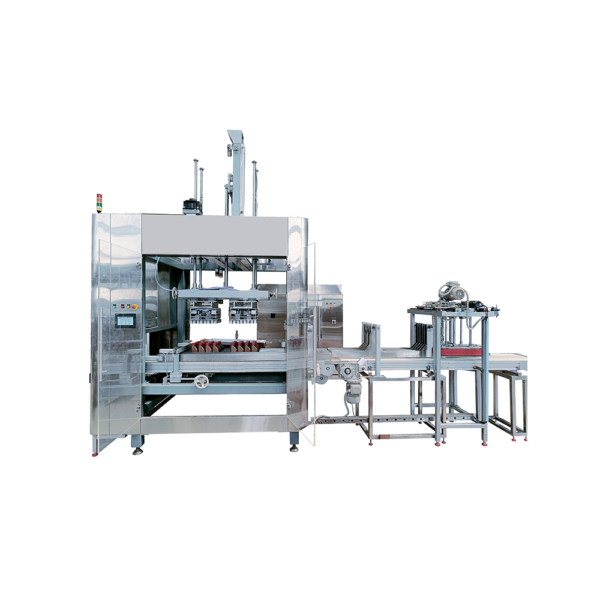
Carton Coding Machine Integration with End-of-Line Automation
Coding does not necessarily operate as an isolated process.
It can be connected with other packaging equipment such as:
- Filling Machines
- Capping Machines
- Labelling Machines
- Case Packers
- Case Formers
- Carton Sealing Machines
- Complete Line Integration Systems
For example:
FILLING → CAPPING → LABELLING → CODING → CASE PACKING → CARTON SEALING
This allows coding to become part of the overall Packaging Line Automation process.
Coding Machine vs Manual Coding
| Manual Coding |
Automated Coding |
| Requires operator intervention |
Integrated into automated workflow |
| Repetitive manual activity |
Automated marking process |
| Greater dependence on operator consistency |
Controlled machine operation |
| Difficult to integrate into continuous production |
Can be integrated with packaging lines |
| Manual information entry may be required |
Variable information can be managed through the coding system |
The practical benefit depends on the production process, coding requirements and level of automation.
Why Choose Spheretech for Packaging Coding?
Spheretech provides packaging machinery across multiple stages of the packaging process, including filling, capping, sealing, labelling and end-of-line automation.
The Carton Coding Machine can therefore be positioned within a wider packaging workflow rather than treated as an isolated coding operation.
For manufacturers developing an automated packaging line, coding can be coordinated with product handling, labelling, case packing and other downstream processes.
Spheretech's indexed website content identifies Carton Coding Machine as part of its packaging-machine offering and describes the company as a manufacturer, supplier and exporter.
Read Less